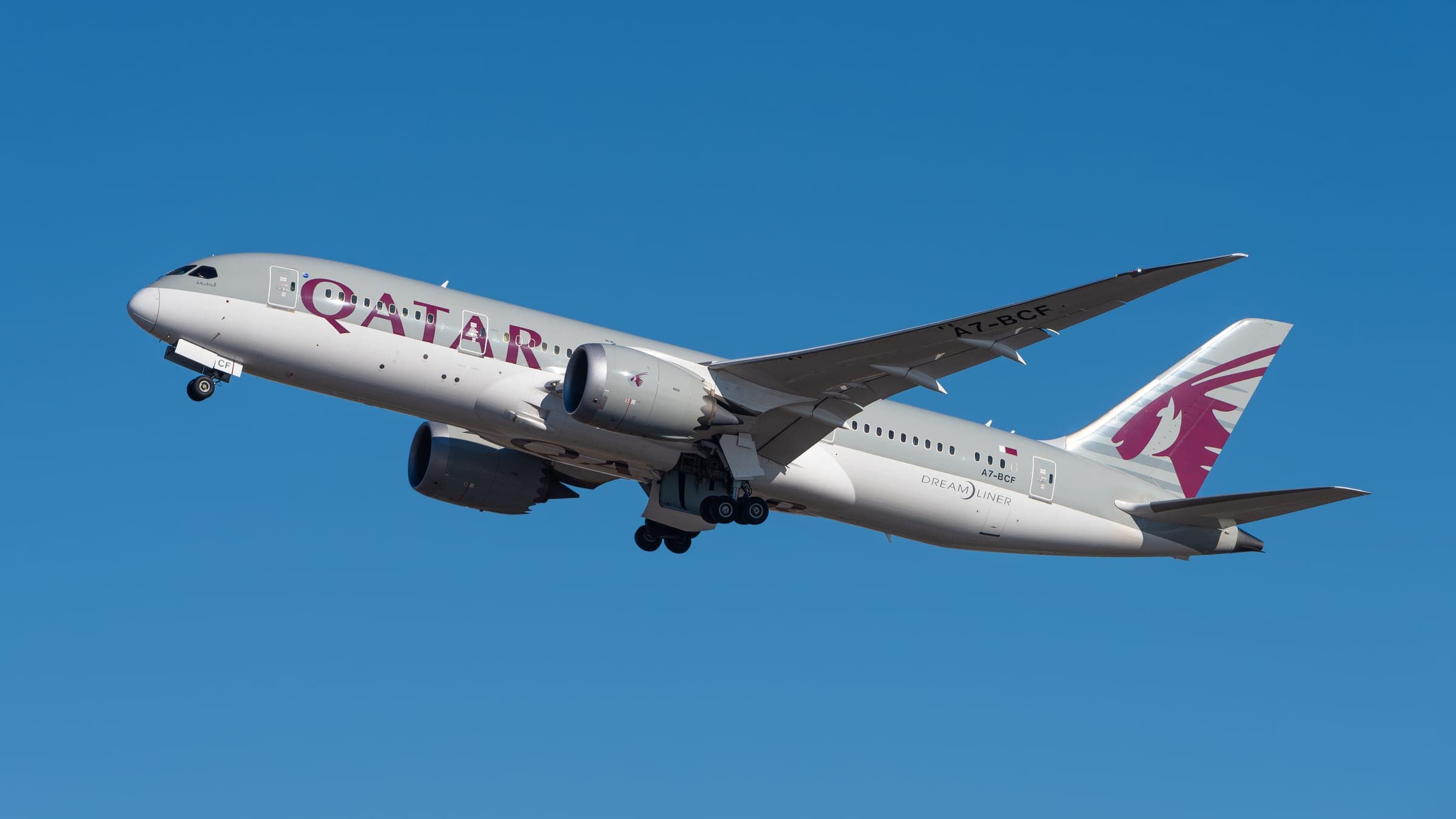
Qatar Airways runs one of the more demanding pilot selections in the Gulf, and it front-loads the technical pressure in a way Emirates does not. Where Emirates leans hardest on aptitude and crew resource management, Qatar puts you through a scenario-based technical interview built around weather and operational edge cases, then a simulator check that candidates consistently rate as the hardest single stage. If you are preparing for both, prepare differently.
This is the Qatar Airways pilot assessment in 2026: the stages in order, what each one actually tests, and what candidates underestimate.
Who qualifies
Qatar recruits direct-entry first officers and captains, and runs assessments both in Doha and at roadshow locations worldwide, which matters if getting to Qatar for multiple rounds is a barrier.
Reported minimums for a direct-entry first officer are around 1,500 hours on multi-crew jets against a total of 3,000 hours or more. Captain requirements sit above that on command time. As with every Gulf carrier, confirm current thresholds against the airline's own recruitment page, because they move with demand.
The stages
Qatar's process is multi-stage and, unlike a single assessment day, often splits across more than one sitting.
Online screening. CV, licence, hours and medical against the minimums.
Aptitude testing. A cognitive battery, referred to variously as COMPASS, ADAPT or a PSA battery depending on the sitting, covering numerical and logical reasoning and the usual pilot-aptitude dimensions. This runs alongside the early technical stages at roadshows or in Doha.
The ATPL knowledge exam. Delivered on an iPad, mixing generic ATPL questions with aircraft-systems questions. It is a genuine technical exam, not a formality, and it rewards recent, current knowledge rather than what you memorised for your ATPLs years ago.
The scenario-based technical interview. This is the stage that distinguishes Qatar, and it is built around operational scenarios rather than trivia. Candidates report being worked through cases such as monsoon operations, hot-weather and cold-weather performance, tropical cyclones, low-visibility operations and volcanic ash. The specific scenarios rotate, but the pattern does not: you are being asked how you reason through a degraded or demanding operating environment, out loud, in front of training captains. Rote answers do not survive contact with a follow-up question.
The psychological and HR interview. A structured interview, including trait-based and TMAT-style questioning, run with HR and a psychologist. Motivation, personality, how you work in a crew, how you handle Doha as a base.
The simulator assessment. In Doha, on a Level D full-flight simulator, typically an A350, 777 or A320 depending on the fleet you applied for, running around 60 to 90 minutes. Situational awareness, standard operating procedure discipline and decision-making under pressure. Candidates rate this as the most critical stage, and the one most likely to end an otherwise strong application.
Medical. A Qatar Class 1 medical to close out.
What candidates underestimate
The technical interview rewards reasoning, not recall. The weather and operational scenarios are not looking for a textbook definition. They are looking for how you think through a problem you cannot fully control, and whether your reasoning holds up when the panel pushes. Candidates who prepare by memorising answers to expected questions come unstuck the moment the scenario shifts. Prepare by being able to reason aloud through performance, weather and degraded-operation decisions, because that is the actual test.
The ATPL exam is current, not historical. It is on an iPad, it mixes generic and systems content, and it assumes you have kept your technical knowledge live. Pilots who have been flying the line for years sometimes find their theory has gone stale in exactly the areas the exam probes.
The simulator is decision-making under load, not a handling showcase. As with most Gulf sim assessments, fly accurately, follow standard procedures, and keep communicating. The candidates who struggle are the ones who fixate on flying precision while their situational awareness and procedural discipline slip.
The process can span sittings and locations. Roadshows spread the early stages across the world, but the simulator and final rounds pull you to Doha. Plan for the logistics and the timeline rather than expecting a single decisive day.
How to prepare, in order
Refresh your technical knowledge to current line standard before the ATPL exam, not after you have scheduled it. Practise reasoning aloud through weather and operational scenarios, because the technical interview is a thinking-out-loud test and cannot be crammed as facts. Go into the sim ready to fly standard procedures and narrate your decisions rather than to demonstrate raw handling. And treat the whole thing as a multi-week, possibly multi-location process rather than a one-day event.
Qatar's selection is harder on the technical axis than most of its Gulf peers, and that is the point: the airline is filtering for pilots who reason well under an operational load, not just fly well in benign conditions.
A note on sourcing
The stage structure and scenario detail here are compiled from recent candidate reports and selection-preparation material. Qatar Airways does not publish an official breakdown of its selection process, and specific tests and scenarios vary by sitting and by fleet, so treat this as a well-reported guide to what to expect rather than a fixed syllabus. Confirm current requirements against Qatar Airways' recruitment channels.